


Among the many stress points for institutional investors in recent years, greater portfolio liquidity is near the top of the list. In many cases, pension plans face funding challenges with fewer active participants. The story is essentially same for other institutions, such as insurers, foundations, and endowments – and family offices can be included in the mix, too. Each has ongoing obligations, and when capital calls and asset manager review and rebalancing are taken into consideration, the need for improved liquidity – particularly in a “lower for longer” environment – becomes crystal clear. In fact, 2019 research by Greenwich Associates indicates that liquidity and risk management are ongoing priorities for 75% of chief investment officers.
What might be considered “traditional” ways of meeting liquidity demands, however, are often not sufficient or strategically viable. Adding to cash allocations, for example, can be a drag on overall portfolio performance, increasing tracking error relative to policy benchmark. At the same time, tactical selling of holdings in asset classes with higher trading costs can be expensive, operationally inefficient, disruptive to the underlying managers, or restricted by a lock-up period. Moreover, such an approach may leave investors in the position of being forced sellers – a scenario that doesn’t sit well with any investor.
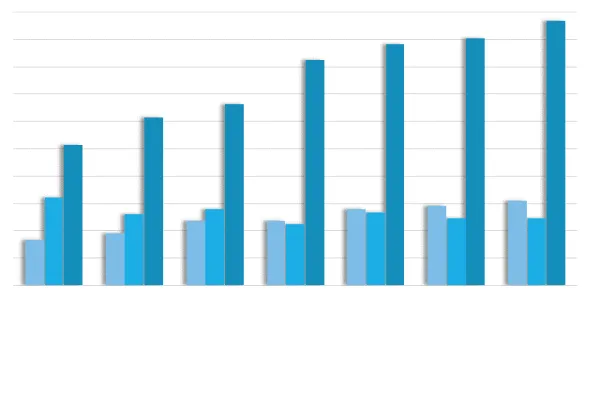
Magnifying the liquidity challenge, allocations to alternative assets are growing as well. According to a 2018 report by Prequin, an alternative data provider, the alternative investment industry is expected to have $14 trillion in AUM by 2023. But investors’ commitments to alts are not immediately invested, resulting in cash drag from dry powder waiting for capital calls. In addition, such investments are often illiquid, and while they may make sense strategically over the long term, don’t do much to help more immediate liquidity challenges.
Solutions to investors’ liquidity challenges continue to evolve, however, led in large part by innovations from BlackRock, and are the focus of this report.